No, your dog cannot pass leishmaniasis on to you simply by living with you, licking you or sleeping beside you. Although leishmaniasis is a disease that can affect both dogs and humans, it is not transmitted through direct contact. For the disease to be transmitted, a tiny insect is essential: the sand fly, which is solely responsible for carrying the parasite from one host to another.
So why is it so important to protect dogs against leishmaniasis? Because, although they do not infect us directly, they can form part of the parasite’s transmission cycle. Looking after them also helps to protect people’s health.
What is leishmaniasis?
Leishmaniasis is a disease caused by a protozoan of the genus Leishmania. In Spain, the most common species is Leishmania infantum, which mainly affects dogs, although it can also infect other mammals, including humans.
It is a disease found in many countries with warm and temperate climates. In Spain, it is particularly common in the Mediterranean region, although rising temperatures have encouraged the spread of the insect that transmits it to new areas.
In dogs, leishmaniasis can cause a wide range of symptoms, from skin lesions to weight loss, eye problems, abnormal nail growth or kidney failure. Without treatment and veterinary monitoring, it can seriously compromise their health.
How is leishmaniasis actually transmitted?
Leishmaniasis requires a vector, that is, an organism that carries the parasite from one host to another. In this case, the vector is the sand fly.
The process occurs as follows:
- A female sand fly bites an infected dog and, along with the blood, ingests the parasite.
- The parasite develops inside the insect.
- When that same sand fly feeds on another mammal, it can transmit the parasite during the bite.
- If the host is susceptible, an infection may develop.
In other words, without the bite of an infected sand fly, there is no transmission of leishmaniasis.
What role do dogs play?
Although dogs do not directly infect humans, they are one of the main reservoirs of Leishmania infantum in Europe.
A reservoir is an animal that harbours the parasite and allows it to continue circulating in the wild. When a sand fly bites an infected dog, it can acquire the parasite and subsequently transmit it to other dogs or, occasionally, to humans.
Therefore, protecting dogs against leishmaniasis is not only a measure to safeguard their health, but also a way of helping to reduce the circulation of the parasite.
The sand fly: the real culprit behind transmission
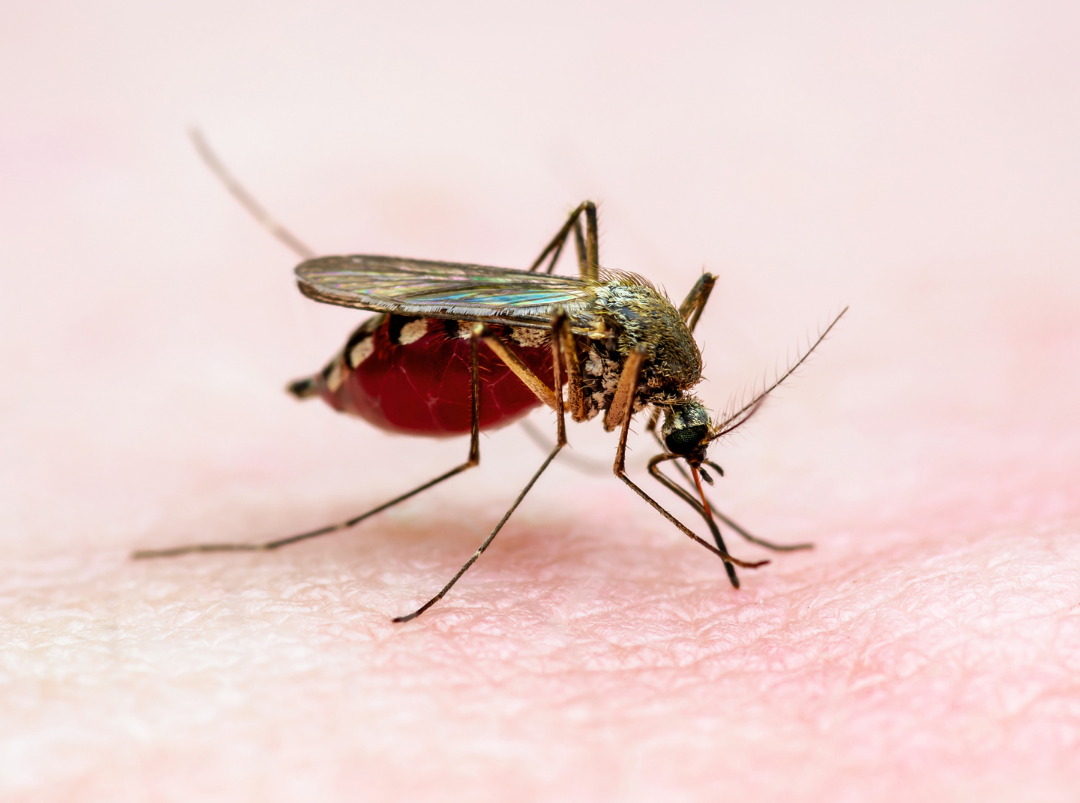
Although many people call it the ‘leishmaniasis mosquito’, the sand fly is not a mosquito. It is a small insect, very quiet and difficult to spot. It is mainly nocturnal and tends to be most active at dusk and dawn. It prefers warm, damp and sheltered places, where it finds refuge amongst cracks, dense vegetation, organic matter or rubble.
It is currently found across much of Spain, particularly in the Mediterranean regions, although its geographical range continues to expand.
Precisely because of its small size and its ability to go unnoticed, many people never actually see it, although they may still suffer from its bites.
How can you protect your dog against leishmaniasis?
Prevention remains the most effective way to reduce the risk of infection. Vets recommend combining various protective measures:
- Use collars or spot-on treatments that repel sand flies.
- Consider vaccination where indicated.
- Avoid exposure, wherever possible, during the hours when the insect is most active.
- Keep gardens clean to reduce the number of places where the vector can hide.
- Have regular veterinary check-ups and diagnostic tests carried out where necessary.
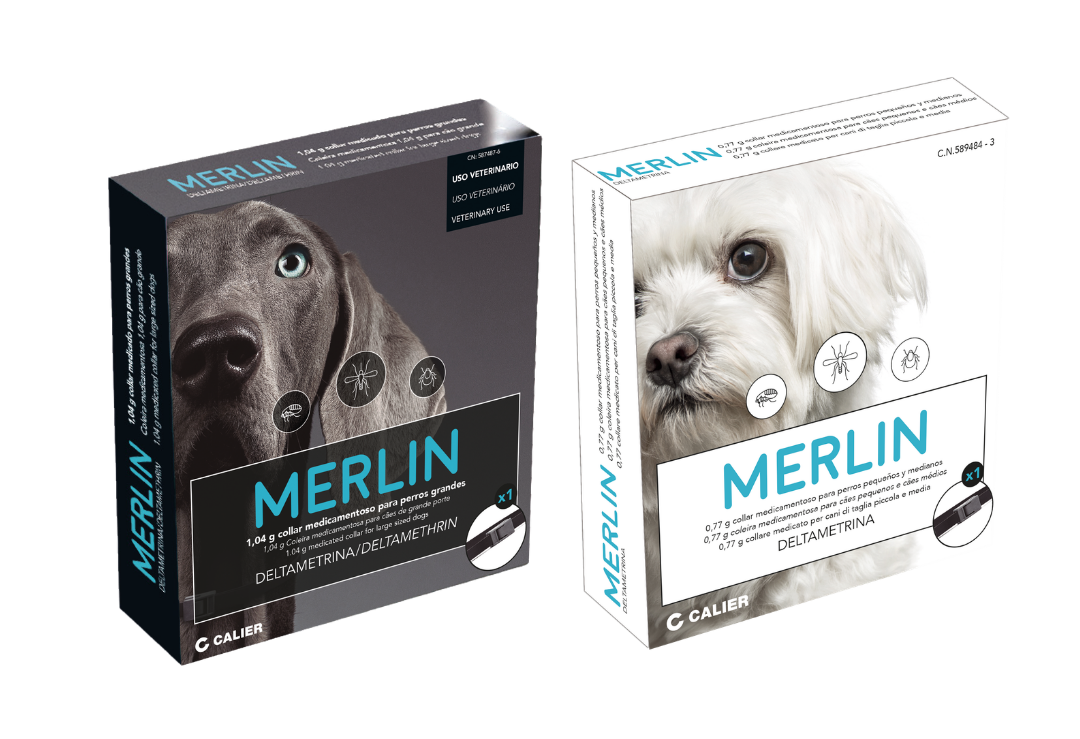
One of the most widely used preventive methods is long-lasting repellent collars, designed to help reduce the risk of sand fly bites. In this regard, Merlin by Calier provides prolonged repellent protection against this vector, helping to reduce dogs’ exposure to the main transmitter of leishmaniasis.
Combining different preventive measures offers greater protection than using a single strategy.
Frequently Asked Questions
- Can I catch the disease if my dog has leishmaniasis and sleeps with me? No. Sharing a bed or living with an infected dog does not transmit the disease.
- Is a dog with leishmaniasis contagious through its saliva? No. Saliva, licking and normal contact with the animal are not routes of transmission.
- Can I catch the disease by playing with my dog? No. You can stroke, brush or play with your dog without any concern regarding the transmission of leishmaniasis.
- How is the disease actually transmitted? Natural transmission occurs solely through the bite of an infected sand fly.
- How can I reduce the risk? The best strategy is to protect your dog from sand fly bites by following the preventative measures recommended by your vet.
 08 Sep 2026