Within the physiological and functional complexity of living organisms, adaptive or acquired immunity enables a specific response against an antigen, whether following a natural infection or after vaccine administration.
This type of immunity involves a wide range of cells and mechanisms responsible for controlling and eliminating infectious agents. In addition, it can generate immunological memory, allowing the immune system to recognize the invader upon subsequent exposure and mount a faster and more effective response. Depending on various factors, adaptive immunity can last from a few weeks to an entire lifetime.
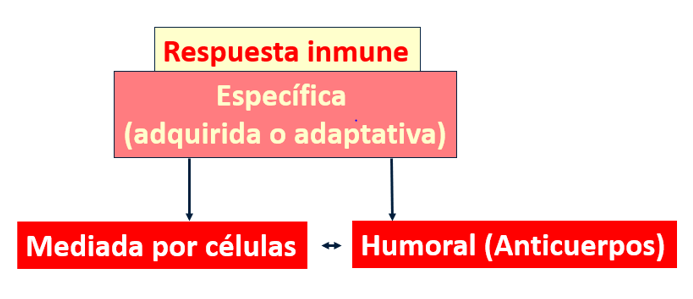
For the survival of organisms, the adaptive immune response is essential for developing immunity capable of protecting against infectious diseases. However, in the case of the PRRS virus, the mechanisms of this response do not always provide effective protection, compromising the health of both piglets and sows.
Why does the acquired immune response fail against the PRRS virus?
The PRRS virus has developed strategies that allow it to evade several key mechanisms required for the host to establish a protective and effective immune response.
Among its main targets are critical immune system cells such as macrophages and dendritic cells, both of which are essential for the development of a functional adaptive immune response. These cells are responsible for capturing and presenting antigens to lymphocytes, thereby initiating a specific immune response against the invading pathogen.
However, the PRRS virus can infect, destroy, manipulate, or persist within these cells, modulating the immune response to its own advantage. By doing so, it promotes its replication and survival, increasing its chances of establishing a successful infection.
Consequences of altered immune responses in PRRS
The PRRS virus also interferes with essential mechanisms involved in defense against viral infections. Among these, it can inhibit the production of interferon-alpha, a key molecule of the innate immune system that plays an important role in activating early protective responses and controlling infection.
In addition, its ability to infect and replicate within strategic immune cells can, in certain circumstances, hinder the development of an effective immune response induced by vaccination.
Furthermore, the action of the PRRS virus promotes a state of immunosuppression, facilitating the emergence of secondary infections that worsen the consequences of the disease and increase its impact on affected animals.
In summary, the PRRS virus possesses mechanisms that enable it to disrupt the coordination of the immune response. Through the infection of macrophages and other key immune system cells, it hampers effective viral control and elimination, helping to explain why adaptive immunity against PRRS does not always provide the expected level of protection.

 19 Jun 2024