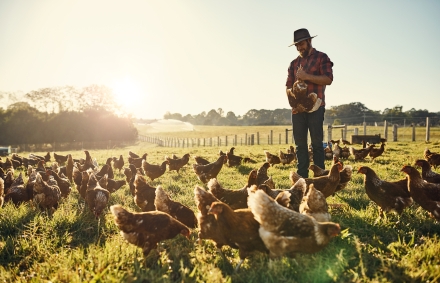
In today’s environment, where new legislation on antibiotic use in livestock farming has imposed significant restrictions, ensuring animal health has become an even greater challenge. Commercial vaccines available on the market are not always sufficient to provide the necessary protection. In this context, autogenous vaccines have emerged as an effective and highly customized solution, and at Calier we are proud to offer this service to our customers.
What are autogenous vaccines?
According to European legislation and Spain’s Royal Decree 666/2023, veterinary autogenous vaccines are inactivated immunological medicinal products produced from pathogenic microorganisms and antigens isolated from one or more animals belonging to the same epidemiological unit.
An epidemiological unit is defined as a group of animals with the same likelihood of exposure to a particular pathogen and therefore eligible to be vaccinated with the same autogenous vaccine, regardless of whether they are housed on the same farm.
Autogenous vaccines are prescription-only veterinary medicines. Because they incorporate strains isolated from the pathogens present in a specific epidemiological unit, they are highly specific and versatile. Several pathogens or antigenic variants can be included in a single formulation, which is especially useful in multifactorial disease situations. Since they are not industrially manufactured vaccines, they are tailor-made products produced on demand following veterinary prescription.
Our commitment to animal health
At Calier, we stand alongside our customers. Faced with the reduction in antibiotic use driven by European legislation -which has helped Spain achieve a 69.5% reduction in veterinary antibiotic consumption- we see autogenous vaccines as a safe and effective alternative.
At our biological products facility in León, one of the most advanced in Europe, we have a specialized diagnostic team dedicated to the development of autogenous vaccines. This infrastructure enables us to provide high-quality, customized products adapted to the specific needs of each customer and production system.
For more than 20 years, we have developed autogenous vaccines in Spain, particularly for the poultry and swine sectors.
Because they are custom-made products, autogenous vaccines typically require an initial production period of 6–8 weeks, depending on the microorganism involved.
The process always begins with a veterinary diagnosis. Once the responsible veterinarian determines that an autogenous vaccine may be appropriate, Calier initiates the development process. Sample collection, tailored to the disease being investigated, is performed with the support of our Veterinary Technical Service and sent to CECADI, where isolation, identification, typing, culture, and production begin.
At Calier, we produce autogenous vaccines for livestock species, in particular:
- Poultry. In the poultry sector, we produce autogenous vaccines for E. coli and combinations with other bacterial pathogens, Mycoplasma gallisepticum, and Mycoplasma synoviae. We are also beginning to develop viral autogenous vaccines, with the first products expected to be launched shortly. In addition, we produce autogenous vaccines for other poultry species, including ducks and turkeys.
- Swine. Much of Calier’s history with autogenous vaccines began more than 20 years ago, working alongside our customers on Brachyspira. Today, this remains one of our flagship autogenous vaccines. We also produce autogenous vaccines for Actinobacillus and for the combination of Streptococcus and Glaesserella.
Autogenous vaccine conference: Sharing knowledge and experience
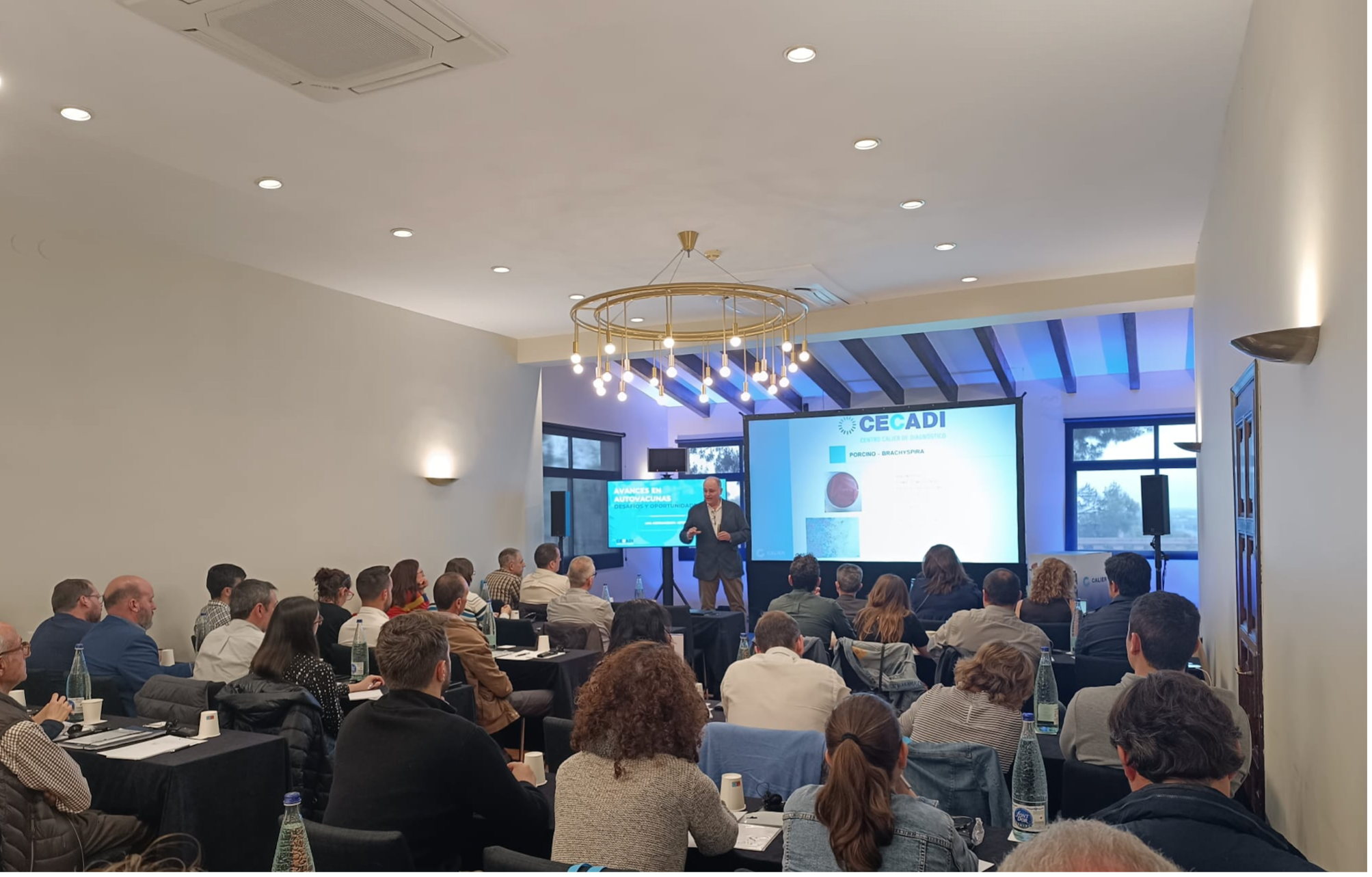
To address the questions and concerns raised by customers and collaborators, Calier organized an Autogenous Vaccine Conference that brought together more than 70 industry experts.
The event featured Gerfried Zeller, Managing Director of the European Manufacturers of Autogenous Vaccines Association (EMAV), who discussed the current European regulatory framework and the use of autogenous vaccines across Europe. Rosario Bullido, Head of the Biological Medicines Area at the Spanish Agency for Medicines and Medical Devices (AEMPS), reviewed the current situation of autogenous vaccines in Spain.
The practical sessions included presentations by Enric Mateu from the Autonomous University of Barcelona, who discussed PRRS autogenous vaccines as a potential future solution, and José Poveda, an expert in avian mycoplasmosis, who explained disease prevention through autogenous vaccination.
As members of the Board of Directors of the European Manufacturers of Autogenous Vaccines Association (EMAV), it was a genuine pleasure to organize this event, which reflects our commitment to leading the development and implementation of these innovative solutions in Spain.
Benefits of autogenous vaccines
In an increasingly regulated environment, with growing restrictions on the use of antibiotics, autogenous vaccines are emerging as an innovative, tailored solution for disease prevention. Below are the four main benefits of autogenous vaccines:
- Specific protection: Because they are designed to target specific pathogens, autogenous vaccines provide more precise and effective protection. They can be particularly effective in controlling recurrent outbreaks caused by strains that are not covered by commercially available vaccines.
- Improved animal welfare: Autogenous vaccines protect animals against diseases for which no commercial vaccine is available, whether due to the emergence of new circulating strains or other factors. They help address therapeutic gaps and protect animals against diseases that are often life-threatening.
- Reduced antibiotic use: By enhancing animals’ immunity, autogenous vaccines reduce the need for antibiotic treatments, supporting compliance with current legislation and contributing to the fight against antimicrobial resistance. The use of viral autogenous vaccines where commercial vaccines are not available also helps reduce antibiotic consumption, as viral infections are often followed by secondary bacterial infections.
- Improved profitability: By providing targeted immunization, autogenous vaccines help maintain optimal animal health, leading to increased productivity, improved profitability, and enhanced animal welfare on livestock farms.
We are by your side
At Calier, we understand the importance of offering customized solutions that ensure both animal health and farm profitability. Our specialists are always available to provide guidance and recommend the most appropriate solutions for each customer. The personalization and quality of our autogenous vaccines distinguish us as a leader in the field.
For more information about our autogenous vaccines and how they can benefit your operation, please contact us.
 21 Jun 2023